
Why Is My Dryer Taking Too Long to Dry? (Causes & When to Call a Pro)
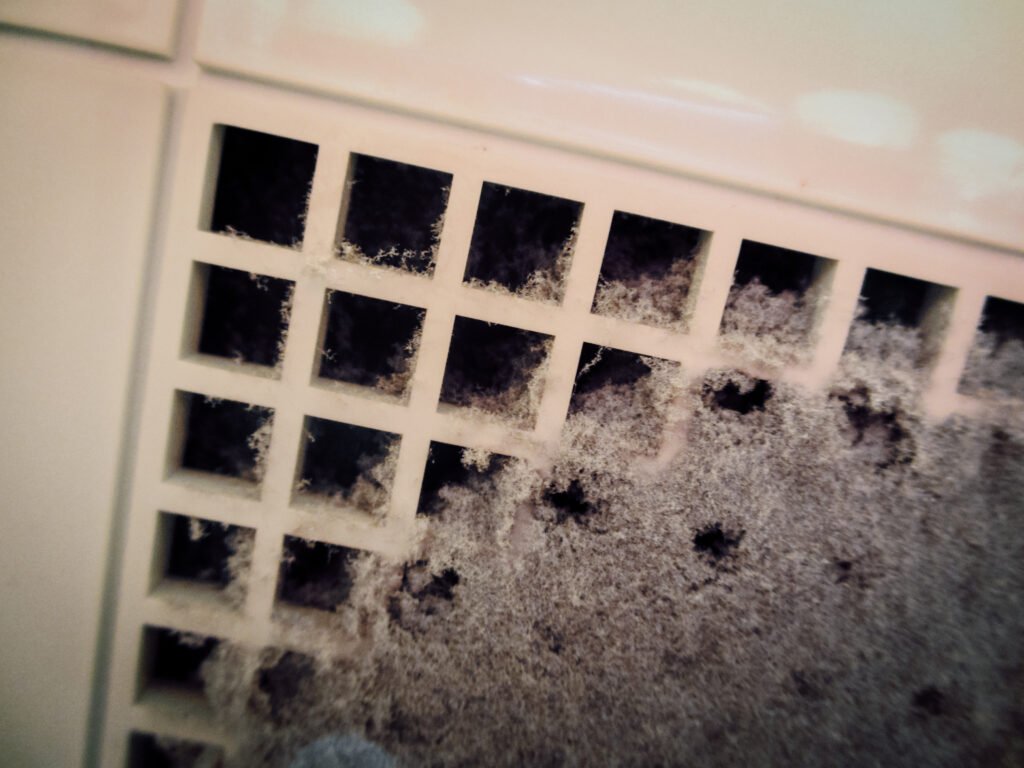
A slow-drying dryer is more than an inconvenience—it’s a sign something is restricting airflow, blocking heat, or failing inside the appliance. Many Boston homeowners first notice laundry loads taking 2–3 cycles instead of one. This guide explains the real causes we see every day on service calls and why a professional diagnosis matters before bigger issues develop.
This article is written for Greater Boston homeowners searching for “why is my dryer taking forever”, “dryer not drying fully”, or “dryer takes too long” and want clear, expert-backed answers.
In This Guide:
Cause 1: Blocked or Restricted Venting
What It Is
Your dryer relies on strong airflow to remove moisture from clothes. When the vent line becomes clogged with lint or debris, the machine traps humid air inside the drum. The result: clothes stay damp even after a full cycle, and the dryer runs much longer than normal.
Other common signs include overheating, longer cycle times, excessive heat in the laundry room, or a burning-lint smell.
The Risk of DIY
Trying to clear the vent yourself can easily push lint deeper into the duct or damage the thin aluminum tubing. A partially cleared vent is even more hazardous because it creates a serious fire risk. Professional vent cleaning tools, airflow gauges, and proper routing knowledge are required to restore safe operation.
This is a complex airflow issue that requires professional tools. Don’t risk fire hazards or misdiagnosis. Our certified technicians can diagnose and fix venting problems safely.
Cause 2: Exhaust Duct Leaks or Kinks
What It Is
If the exhaust hose is crushed behind the dryer, loose, or leaking at the connection points, warm air escapes before reaching the outside vent. This weakens performance dramatically. Boston homes with older basement setups or long duct runs experience this problem more often.
Symptoms include steam in the laundry room, lint around the back of the dryer, and extremely long drying cycles.
The Risk of DIY
Pulling the dryer out to check the duct may seem simple, but modern dryers have delicate gas lines, electrical wiring, and narrow spaces that make accidental damage easy. A damaged duct also increases the risk of mold, excessive heat, and lint accumulation inside walls.
This repair involves precise inspection and secure fitting. Avoid accidental duct damage. Let our Boston technicians ensure your dryer vents are safe and sealed correctly.
Cause 3: Failing Heating Element or Gas Burner
What It Is
Electric dryers rely on a heating element, while gas dryers use an igniter and burner assembly. As these parts wear out, they may heat intermittently or fail mid-cycle. A dryer that tumbles but never gets fully hot will always take too long to dry clothes.
Common signs: lukewarm air, damp loads after long cycles, or the dryer repeatedly shutting off due to overheating.
The Risk of DIY
Heating components involve high voltage electricity or open gas flames. Attempting to test or replace them without proper tools creates serious electrical shock or gas leak hazards. Many manufacturers void the warranty if unlicensed individuals attempt heating repairs.
Heating issues must be diagnosed with professional-grade equipment. Don’t risk electrical or gas danger. Centrix Appliance Repair can safely identify the failing component.
Cause 4: Moisture Sensor Problems
What It Is
Modern dryers use moisture sensors to detect when clothes are dry. When these sensors fail or get coated with residue from fabric softeners, the control board receives inaccurate readings. The machine may keep running endlessly because it thinks the clothes are still damp.
Symptoms include very long auto cycles, inconsistent stopping points, or clothes that feel dry but the dryer continues running.
The Risk of DIY
Homeowners often try to self-clean or tamper with the sensor area, which can cause control board damage or incorrect sensor readings. Sensors are delicate, and an incorrect fix can lead to higher utility bills and unnecessary part replacements.
Moisture sensor issues require proper evaluation. Don’t guess and waste time on trial-and-error fixes. Book a certified technician to restore accurate drying performance.
Cause 5: Internal Airflow Blockages Inside the Dryer
What It Is
Even if the external vent is clear, lint can accumulate inside the dryer cabinet over time—especially around the blower wheel, internal duct passageways, and heat housing. This hidden buildup restricts airflow and forces the dryer to run excessively long cycles.
Signs include overheating, hot dryer surfaces, or humming sounds from the blower area.
The Risk of DIY
Opening a dryer cabinet exposes you to sharp metal edges, spinning components, and live electrical parts. Internal blockages often require partial disassembly, airflow measurement, and safe lint extraction—tasks only trained professionals should perform.
Internal airflow issues are complicated and hazardous. Don’t risk injury or damage. Let Centrix Appliance diagnose the problem correctly the first time.
Don’t Guess—Get an Expert Diagnosis
A dryer that takes too long to dry is not just an inconvenience. It’s a warning sign that something is restricting airflow, failing to heat, or misreading moisture levels. Ignoring the issue can lead to higher utility bills, expensive repairs, or even fire risks.
A proper diagnosis ensures the real cause is found before deeper damage sets in. Our appliance technicians serve homeowners across Boston, Newton, Brookline, Waltham, and surrounding areas with fast, reliable dryer repair.
Protect your home and your appliance.
Schedule your appointment with Centrix Appliance Repair Service today, and let our experts fix the problem right the first time.