
Dishwasher Repair With Warranty in Boston (Complete Homeowner Guide)
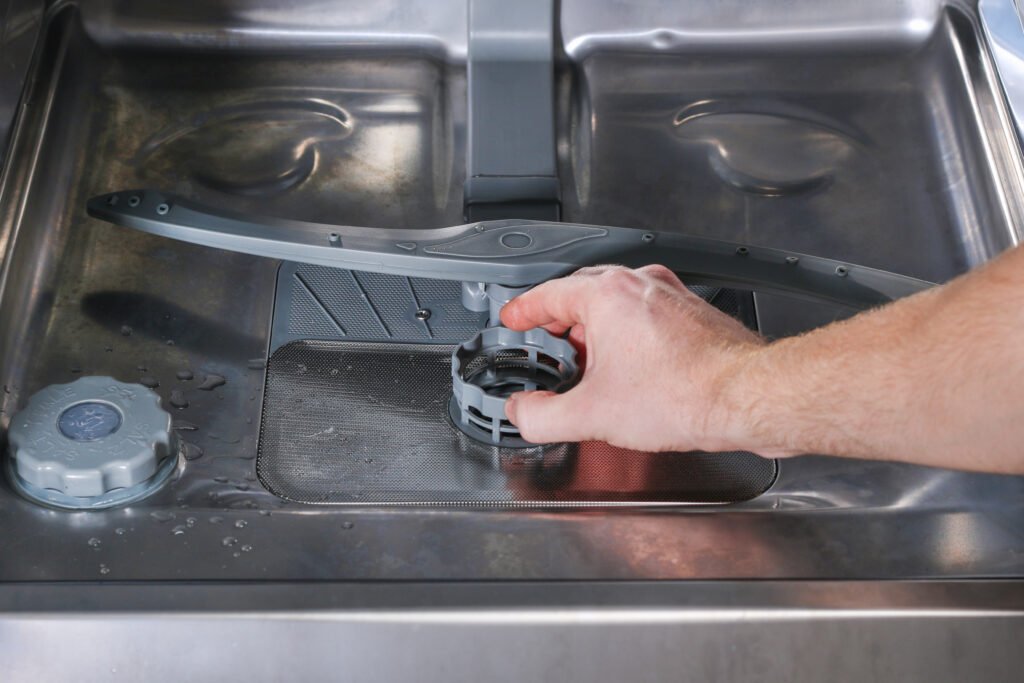
A dishwasher that stops cleaning well, leaks, makes strange noises, or refuses to start can disrupt your entire routine. For Boston homeowners, these issues often come without warning—and the worry sets in quickly: Is it a simple fix? Is it safe to keep using it? Will the repair last?
This guide breaks down the most common causes of dishwasher problems, what they signal, and why professional diagnosis is crucial—especially when you want warranty-backed repairs that protect your home and budget.
In This Guide:
Cause 1: Drainage Failures and Standing Water
What It Is
One of the most common dishwasher complaints in Boston homes is water remaining at the bottom of the tub. This often points to failures in the drain pump, blocked hoses, or restrictions caused by food debris and scale buildup. A dishwasher that cannot drain properly will also struggle to clean effectively and may leave dishes cloudy or greasy.
The Risk of DIY
Trying to “clear” a drain line yourself can force debris deeper into the system or damage the pump. A wrong move can lead to motor failure, water leaks, or electrical hazards. In many cases, self-attempted fixes void manufacturer warranties.
This is a detailed internal repair that requires proper tools. Avoid costly mistakes. Schedule a certified dishwasher technician from Centrix Appliance Repair.
Cause 2: Pump or Motor Problems
What It Is
The circulation pump is the heart of your dishwasher. When it weakens, fails, or becomes obstructed, your dishwasher will run but won’t clean well. You might hear humming, grinding, or unusually loud operating noises.
In Greater Boston’s older kitchens, motor failures are especially common due to years of mineral deposits accumulating in the system.
The Risk of DIY
Motors involve electrical connections, water exposure, and complex internal seals. Opening the wrong compartment can expose you to shock risks or cause permanent tub damage. These repairs also require specialized testing to confirm the root cause.
Pump and motor failures demand expert handling. Don’t risk electrical injury or misdiagnosis. Let Centrix technicians identify the true issue safely.
Cause 3: Water Leaks From Doors or Internal Seals
What It Is
Dishwasher leaks often come from damaged door gaskets, warped doors, failing spray arms, or internal cracks in the sump housing. Even a small leak is a major warning sign because dishwashers use high-pressure water during cycles.
Homeowners often notice puddles on the floor, a musty smell, or water streaks on cabinetry.
The Risk of DIY
Replacing or adjusting seals seems simple—but incorrect installation can make leaks worse and lead to flooring damage, mold growth, or cabinetary swelling, especially in humid Boston homes. Internal leaks also require professional inspection to rule out major component failures.
Leak sources can be misleading. Avoid expensive water damage. Book a professional leak inspection with Centrix Appliance Repair.
Cause 4: Heating Element or Temperature Issues
What It Is
Dishwashers use heating elements to sanitize dishes and assist drying. When the element fails, dishes come out wet, cloudy, or greasy. Some models throw error codes; others simply take much longer to complete cycles.
Symptoms include lukewarm dishes after the wash, moisture buildup, or extended runtimes.
The Risk of DIY
Heating elements operate near water, wiring, and high temperatures. Attempting to access or test them without proper equipment may cause shock hazards, internal shorts, or burn injuries. Many heating problems also involve sensors or thermostats that require professional calibration.
Heating failures need expert evaluation. Protect your appliance and your home. Have a certified technician diagnose the issue correctly.
Cause 5: Control Board and Sensor Failures
What It Is
Modern dishwashers rely on electronic control boards, float switches, turbidity sensors, and temperature monitors. When these components malfunction, the dishwasher may not start, may stop mid-cycle, or may fail to regulate wash times.
Symptoms often include blinking lights, unresponsive buttons, or unexpected beeping.
The Risk of DIY
Electronic components are sensitive to static discharge, moisture, and improper handling. Attempting DIY troubleshooting can cause permanent board damage, short circuits, or even complete system failure. Without proper diagnostic tools, it’s nearly impossible to identify which component is truly responsible.
These are delicate electronic systems. Avoid expensive mistakes. Let Centrix Appliance Repair diagnose your dishwasher safely and accurately.
Don’t Guess—Get an Expert Diagnosis
A struggling dishwasher is more than a minor inconvenience—it’s an early warning sign of mechanical, electrical, or water-related issues that can worsen quickly. Whether it’s drainage, leaks, sensors, or heating failures, an accurate diagnosis saves you money and prevents further damage.
Centrix Appliance Repair proudly serves Boston, Cambridge, Brookline, Waltham, and all nearby communities with warranty-backed dishwasher repairs you can rely on.
Protect your home and your appliance.
Schedule your appointment with Centrix Appliance Repair Service today, and let our experts fix the problem right the first time.