
Ice Maker Not Making Ice? (Reliable Ice Maker Repair in Boston)
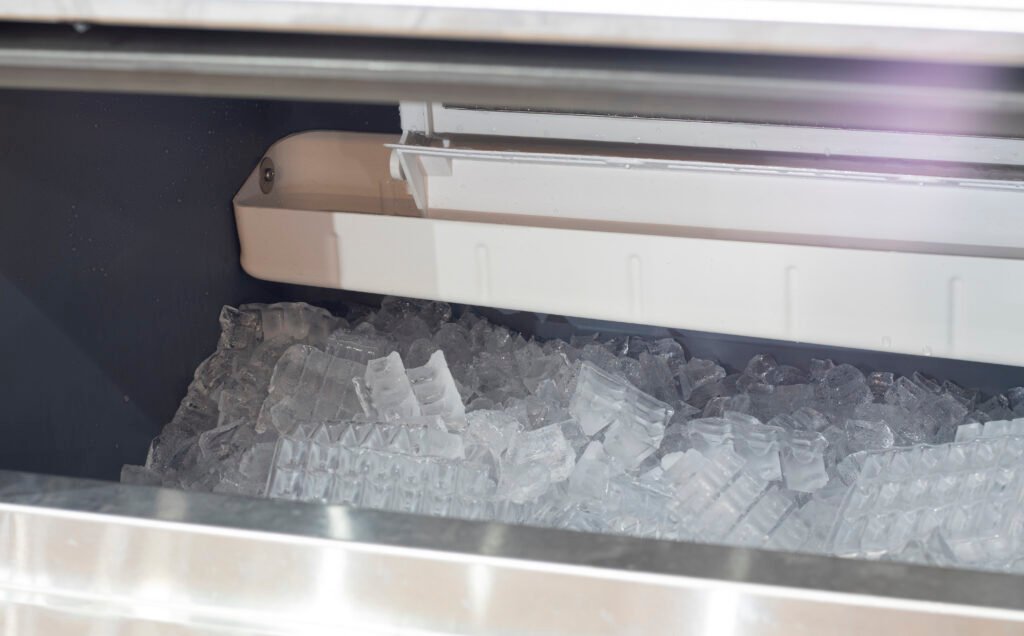
A built-in ice maker that suddenly stops producing ice is frustrating—and in Boston homes where refrigerators work hard year-round, it’s often a sign that something deeper is wrong with the cooling, water supply, or internal sensors. Whether the ice maker produces tiny cubes, makes no ice at all, or dumps only occasionally, the issue usually points to component failure that requires prompt diagnosis.
This guide explains the most common causes we see on real service calls across Greater Boston and why professional repair is the safest and fastest way to restore full ice production.
In This Guide:
Cause 1: Blocked or Insufficient Water Supply
What It Is
Ice makers depend on a consistent water supply. If the supply line becomes kinked, frozen, or clogged with minerals (a common problem in Boston’s older homes), the ice maker will produce small cubes, slow production, or no ice at all. Some homeowners also notice a hollow “shell cube” that indicates poor water flow.
The Risk of DIY
Pulling out the refrigerator to “check the water line” can easily damage the copper or plastic tubing. Worse, homeowners often cause slow leaks, which can ruin wood flooring and cabinetry. Attempting to thaw a frozen line with heat is also a fire and electrical hazard.
Water supply problems require proper tools and experience. Avoid water damage or unsafe thawing methods.
Centrix technicians can identify supply issues quickly and safely.
Cause 2: Faulty Water Inlet Valve
What It Is
The inlet valve controls how much water enters the ice maker. When the valve weakens, clogs, or fails electrically, it may deliver too little water—or none at all. You may hear the valve click without water flowing, or the ice maker may run but never produce cubes.
This is one of the most common failures we see in Boston’s high-use refrigerators.
The Risk of DIY
Inlet valves operate under pressure and connect directly to electrical components. Attempting to test or replace them without proper tools can cause flooding, short circuits, or incorrect wiring connections.
Valve failures require professional diagnosis. Don’t risk water or electrical hazards.
Book a certified ice maker technician from Centrix Appliance Repair.
Cause 3: Temperature Problems in the Freezer Section
What It Is
Ice makers only work when the freezer maintains the correct temperature—typically around 0°F. If the freezer is too warm, the ice mold won’t freeze properly, and the ice maker won’t cycle. Frost buildup, airflow issues, or failing evaporator fans can all cause temperature fluctuations.
Homeowners often notice soft ice, wet cubes, or slow production.
The Risk of DIY
Many people try adjusting temperature settings or rearranging food, but this rarely fixes the underlying cause. DIY “manual defrosting” with hairdryers or hot water can lead to coil damage, refrigerant leaks, or electrical hazards.
Freezer-temperature issues require internal diagnostics. Avoid dangerous thawing attempts.
Let Centrix technicians restore proper cooling and ice production.
Cause 4: Ice Maker Motor or Ejector Arm Failure
What It Is
The ice maker uses a motor and ejector arm to push cubes into the bin. When these components fail, the ice mold may freeze but never eject the cubes—or the mechanism may jam mid-cycle.
Signs include a clicking noise, stuck cubes, or an empty ice bin even though the mold is frozen.
The Risk of DIY
Homeowners often try to pry out stuck ice, which can snap the ejector arm or damage the motor assembly. Internal components are delicate, and one wrong move can turn a small repair into a complete ice maker replacement.
Mechanical failures must be handled professionally. Don’t force stuck ice or internal components.
Centrix Appliance Repair can diagnose motor and ejector failures accurately.
Cause 5: Sensor, Control Switch, or Fill-Level Issues
What It Is
Modern ice makers rely on sensors to measure cube level, water fill, and temperature. When a sensor becomes dirty, misaligned, or fails electronically, the ice maker may stop cycles prematurely or not run at all.
Common symptoms include:
-
Ice maker shut off unexpectedly
-
Bin not filling
-
Ice maker arm stuck in “up/off” position
-
Random stopping and starting
The Risk of DIY
Sensors are fragile. Attempting to “reset” or manually move the control arm can break internal switches. DIY troubleshooting without proper tools often leads to control board damage, which is far more expensive than a sensor repair.
Sensor failures require precise handling. Avoid breaking delicate components.
Schedule a professional evaluation with Centrix Appliance Repair.
Don’t Guess—Get an Expert Diagnosis
When an ice maker stops producing ice, the underlying cause may be mechanical, electrical, water-related, or temperature-related. Guessing the problem or attempting repairs without the right tools can lead to water leaks, electrical hazards, or costly refrigerator damage.
Centrix Appliance Repair serves Boston, Brookline, Newton, Cambridge, Waltham, and all nearby areas with fast, reliable, warranty-backed ice maker repair.
Protect your refrigerator and restore full ice production.
Schedule your ice maker repair with Centrix Appliance Repair Service today.