
Electric Glass Cooktop Cracked or Not Heating? (Schedule Fast Cooktop Repair in Boston)
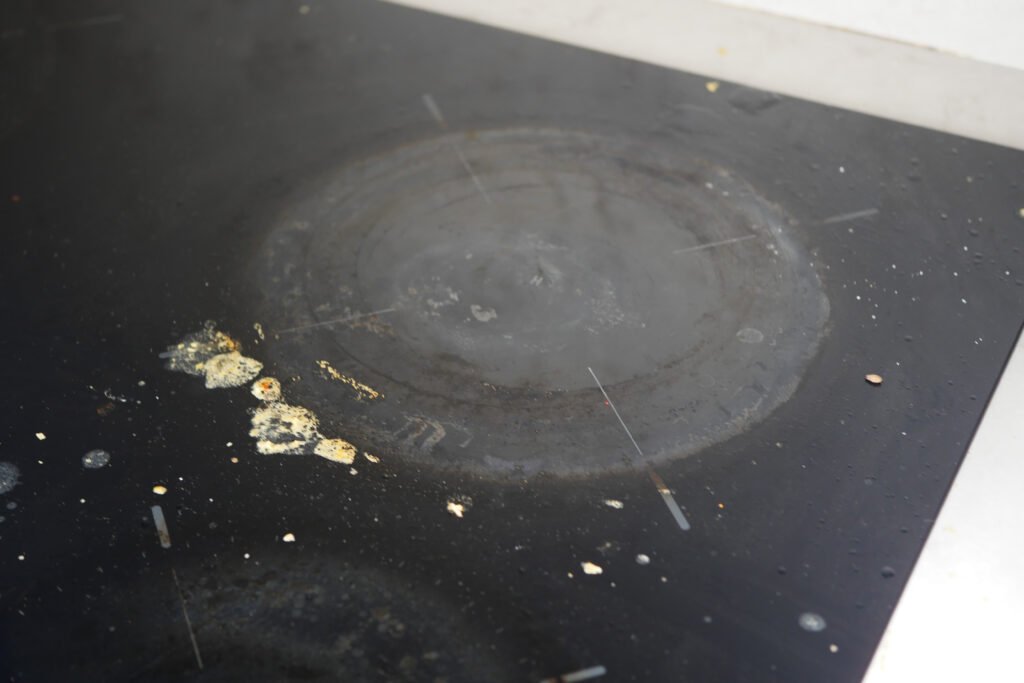
A cracked glass cooktop or burners that refuse to heat can disrupt your entire kitchen routine. For Boston homeowners, these failures often happen suddenly—after a heavy pan is placed down, a spill overheats the surface, or an internal component stops working without warning. Because glass cooktops rely on high-voltage heating elements, sensors, and delicate ceramic surfaces, a fast and accurate diagnosis is essential.
This guide explains the real causes behind cracked cooktops and non-heating burners, what symptoms to look for, and why professional repair is the only safe option.
In This Guide:
Cause 1: Cracked Glass Surface From Impact or Thermal Stress
What It Is
A smooth glass or ceramic cooktop can crack from a heavy pot being dropped, from uneven heating across the surface, or from sudden temperature changes. Even hairline cracks can spread quickly as the cooktop heats and cools.
Homeowners often first notice:
-
A visible crack line across one or more burners
-
Discoloration or “hot spots” under the glass
-
A burner refusing to turn on after the crack appears
The Risk of DIY
A cracked cooktop can expose you to high-voltage electrical components directly beneath the glass. Continuing to use the surface can lead to electrical shock, heat damage, or fire hazards. DIY replacement attempts often shatter the glass or damage the wiring harness beneath it.
Glass cooktop replacement requires specialized handling. Don’t risk injury or a full appliance failure.
Schedule a professional cooktop inspection with Centrix Appliance Repair.
Cause 2: Failed Heating Element Under the Glass
What It Is
Radiant and induction cooktops rely on hidden heating elements or coils under the glass surface. When these fail, the burner may stay cold, heat unevenly, or glow only partially.
Common signs include:
-
Burner not glowing red
-
Slow heating
-
One zone working while others don’t
The Risk of DIY
Accessing the heating elements means lifting the entire glass surface—something that can easily crack if done incorrectly. The elements operate on 240-volt circuits, and DIY testing can cause electrical shock or short circuits that damage the entire unit.
Element issues require professional diagnostics. Avoid dangerous high-voltage exposure.
Centrix technicians can diagnose non-heating burners safely.
Cause 3: Damaged Burner Switch or Power Regulator
What It Is
The burner switch (also called an infinite switch or power control) regulates how hot each cooktop zone gets. When the switch fails, the burner may:
-
Not heat at all
-
Overheat unexpectedly
-
Stay stuck at one temperature
-
Cycle incorrectly
This is a common problem in older Boston buildings where cooktops see heavy use.
The Risk of DIY
Because the switch controls direct 240-volt power, improper removal or installation can cause electrical shock, internal burning, or damage to the main wiring harness. A miswired switch can destroy multiple burners at once.
Power regulators must be tested with proper equipment. Never attempt electrical diagnostics alone.
Book a safe and accurate diagnosis with Centrix Appliance Repair.
Cause 4: Internal Wiring or Terminal Burnout
What It Is
Beneath the glass top is a network of high-heat wiring and terminals. Over time, heat, corrosion, or loose connections can cause:
-
Burned wires
-
Scorched terminals
-
Intermittent heating
-
Sparks or electrical odors
The Risk of DIY
Opening a cooktop exposes you to live electrical parts, sharp metal edges, and fragile heating components. A single mistake can result in electrical fires, electrical shock, or total appliance failure.
Internal wiring issues require professional training. Don’t risk creating a dangerous electrical fault.
Centrix technicians can safely inspect and repair internal wiring problems.
Cause 5: Control Board or Sensor Failures
What It Is
Modern glass cooktops increasingly rely on digital touch controls, temperature sensors, and electronic boards. When these electronics malfunction, burners may not heat, may shut off unexpectedly, or may fail to respond to touch inputs.
Signs include:
-
Flickering error codes
-
Dead touch panel
-
Burners not activating
-
Random shutdowns
The Risk of DIY
Control boards and sensors are extremely sensitive. DIY “reset attempts,” cleaning with liquid solutions, or handling internal panels can cause short circuits, corrosion, or complete control failure.
Electronic failures require specialized tools. Don’t risk destroying a repairable cooktop.
Let Centrix Appliance Repair diagnose electronic issues safely.
Don’t Guess—Get an Expert Diagnosis
A cracked glass cooktop or burners that won’t heat is more than an inconvenience—it’s a real safety concern involving high heat, 240-volt electrical systems, and fragile glass surfaces. Misdiagnosing the issue can lead to electrical hazards, appliance damage, or fire risks.
Centrix Appliance Repair serves Boston, Newton, Brookline, Cambridge, and all nearby communities with fast, warranty-backed glass cooktop repair and replacement.
Protect your home and your cooktop.
Schedule your glass cooktop repair with Centrix Appliance Repair Service today.