Microwave Not Heating? (Professional Microwave Repair in Greater Boston)
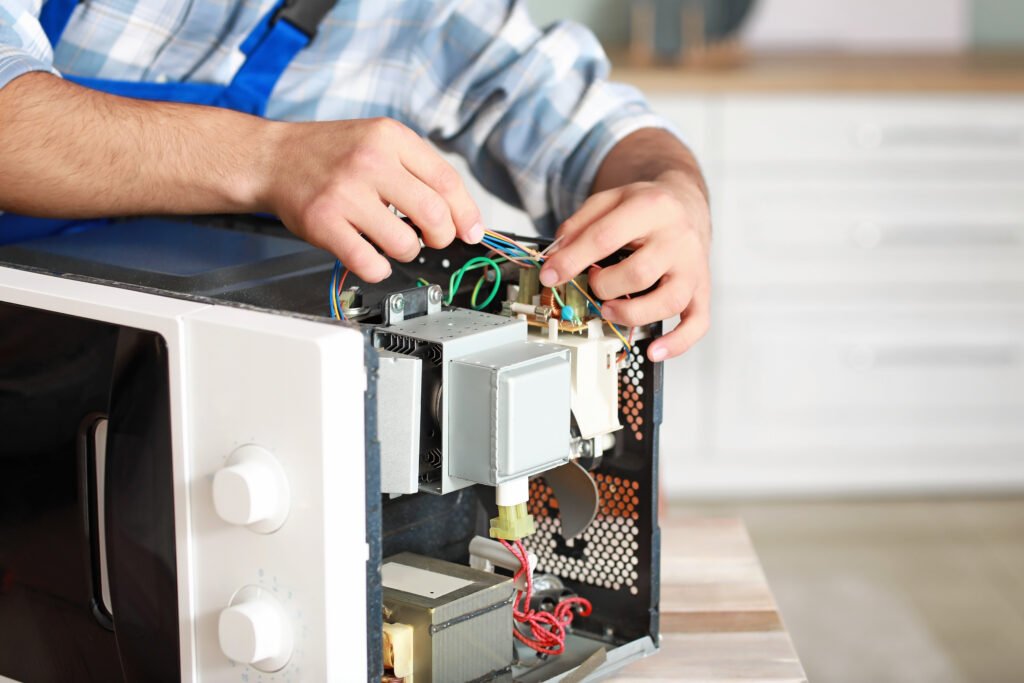
A microwave that runs but doesn’t heat is one of the most frustrating appliance failures. The turntable spins, the light comes on, the timer counts down—but your food comes out cold. For Greater Boston homeowners, this usually signals a deeper electrical or high-voltage issue that requires immediate professional attention.
Microwaves contain components that store dangerous electrical charges, even when unplugged, which makes safe diagnosis essential. This guide explains why microwaves stop heating, which symptoms matter most, and why DIY repairs are never safe with this appliance.
In This Guide:
Cause 1: Failed Magnetron
What It Is
The magnetron is the component that produces microwave energy. When it fails, the microwave will still run, hum, and light up—but it won’t heat anything. Some homeowners notice:
-
A burning smell
-
Unusual buzzing
-
A louder-than-usual humming sound
-
The unit shutting off mid-cycle
The Risk of DIY
The magnetron is part of the high-voltage system, which stores lethal electrical energy even when unplugged. Opening a microwave without proper discharge tools is extremely dangerous. Self-repair attempts can cause electrical shock, radiation leakage, or complete appliance failure.
Magnetron issues require certified tools and safety training. Never attempt DIY microwave repair.
Centrix technicians can safely diagnose magnetron failures.
Cause 2: Burned-Out High-Voltage Diode
What It Is
The high-voltage diode helps convert electrical power into the energy needed for heating. When it fails, the microwave may produce:
-
No heat
-
Weak heating
-
A clicking sound
-
A slight burning smell
This is a very common issue in older microwaves across Greater Boston.
The Risk of DIY
Diodes are connected directly to the high-voltage capacitor—one of the most dangerous components in any home appliance. Touching the wrong connection can result in life-threatening shock. Homeowners should never test or replace these parts on their own.
High-voltage diagnostics must be done professionally.
Schedule a safe, expert inspection with Centrix Appliance Repair.
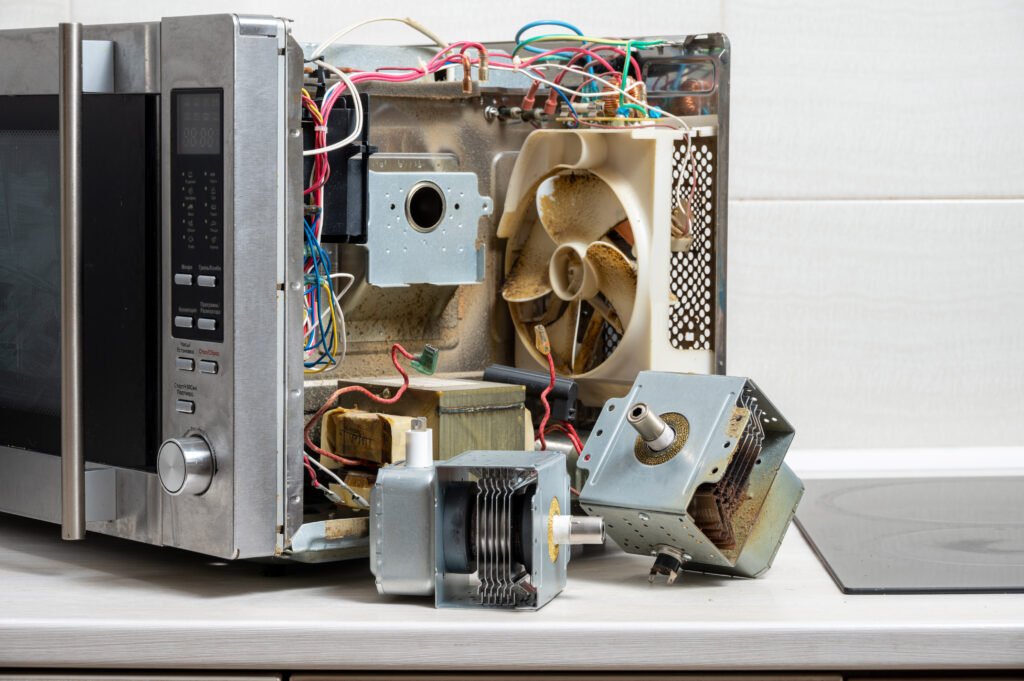
Cause 3: Faulty Capacitor or Transformer
What It Is
Microwaves rely on a capacitor and transformer to generate the extremely high voltages needed for heating. When either component fails, the microwave may:
-
Turn on without heating
-
Produce loud humming
-
Trip the breaker
-
Shut off randomly
The Risk of DIY
The capacitor can retain thousands of volts long after the unit is unplugged. Attempting to discharge or handle it incorrectly can cause severe electrical burns, shock, or fire.
Capacitor and transformer issues require strict safety procedures.
Let Centrix technicians diagnose the high-voltage system safely.
Cause 4: Door Switch Failure
What It Is
Microwaves rely on a series of safety switches in the door latch. If one fails, the microwave may run—but will not heat. You may notice:
-
Microwave only works when the door is pressed
-
Stops heating mid-cycle
-
Light, fan, or turntable acting inconsistently
The Risk of DIY
Homeowners often try to “adjust” or press the door latch harder, which can break the switches or cause misalignment. Accessing the switches requires partially opening the microwave, exposing dangerous high-voltage components even in areas homeowners don’t expect.
Door switch failures require proper testing tools.
Schedule a professional inspection with Centrix Appliance Repair.
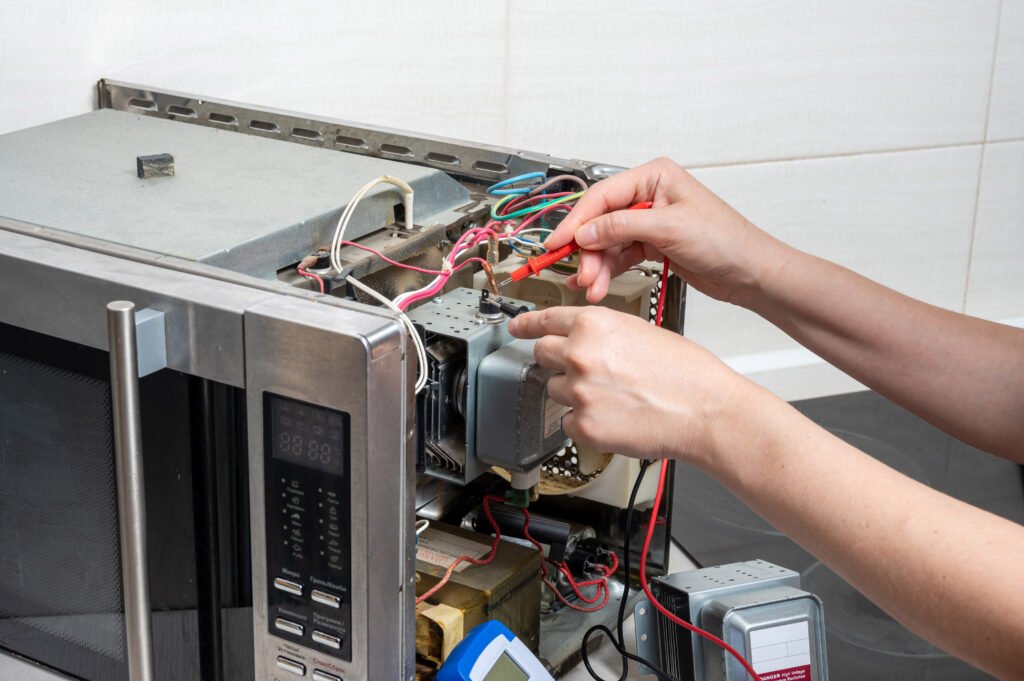
Cause 5: Control Board or Sensor Malfunctions
What It Is
If the microwave won’t heat, starts then stops, or throws random error codes, the control board or temperature/humidity sensors may be failing. These electronic components regulate power delivery to the magnetron.
Signs include:
-
Flickering numbers on display
-
Buttons not responding
-
Intermittent heating
-
Random shutdowns
The Risk of DIY
Control boards contain fragile circuits. DIY attempts to clean, reset, or remove them often cause board shorts, burnt traces, or total system failure. Many boards also require model-specific calibration.
Electronics require expert handling.
Centrix technicians can accurately diagnose electronic control failures.
Don’t Guess—Get an Expert Diagnosis
A microwave that won’t heat is always a high-voltage problem—even when it looks simple from the outside. Misdiagnosing or opening the unit without proper tools can lead to severe injury, electrical shock, or dangerous internal damage.
Centrix Appliance Repair provides fast, reliable, warranty-backed microwave repair across Boston, Newton, Brookline, Cambridge, Waltham, and surrounding communities.
Protect your home and your safety.
Schedule your microwave repair with Centrix Appliance Repair Service today.