
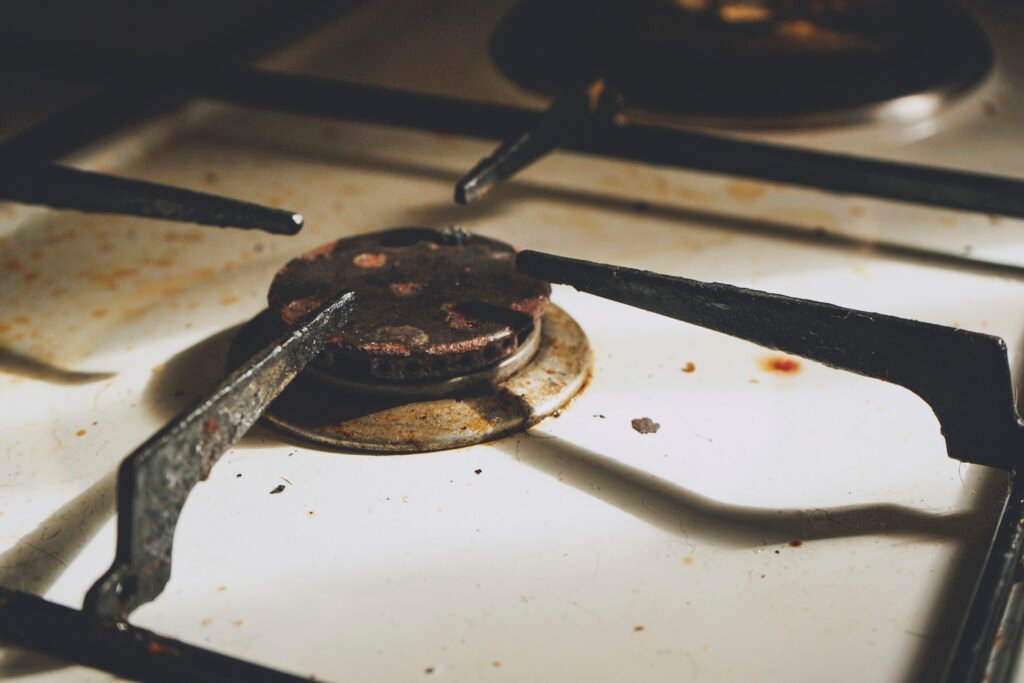
A gas range that won’t ignite, clicks endlessly, or takes too long to light can bring your entire kitchen to a standstill. For many Greater Boston homeowners, a faulty igniter isn’t just annoying—it’s a real safety concern. The problem can point to deeper issues with the gas flow, burner assembly, or electrical ignition system that need fast, professional attention.
This diagnostic guide explains the root causes of gas range igniter issues, what symptoms to look for, and why it’s critical to avoid DIY fixes when dealing with gas appliances.
In This Guide:
Cause 1: Weak or Failing Igniter
What It Is
A gas burner igniter creates the spark that lights the flame. When the igniter wears down, the burner may click repeatedly without lighting, or it may light only after a long delay. Some homeowners notice orange or weak sparks, or hear clicking even after the burner has already ignited.
The Risk of DIY
Igniters require careful handling around live gas lines and electrical wiring. Attempting to clean, tighten, or adjust them can lead to gas leaks, misfires, or electrical shorts. Even a slight misalignment can create an unstable flame or allow unburned gas to accumulate.
Igniter repairs must be precise. Don’t take risks with gas appliances.
Let a certified Centrix technician diagnose the failing igniter safely.
Cause 2: Misaligned or Dirty Burner Components
What It Is
Food spills, grease buildup, and misaligned burner caps can interrupt gas flow and prevent proper ignition. When the burner cap isn’t seated correctly or residue blocks the gas ports, the igniter may spark endlessly without lighting the flame.
You may notice popping sounds, uneven flames, or delayed ignition.
The Risk of DIY
Many homeowners try repositioning burner caps or cleaning ports themselves, but it’s easy to damage the igniter tip or clog the ports further. Using pins, needles, or harsh tools can distort the gas openings and create uneven flames, dangerous flare-ups, or carbon monoxide risks.
Burner alignment problems require a trained eye. Avoid unsafe flame patterns.
Schedule expert burner diagnostics with Centrix Appliance Repair.
Cause 3: Faulty Spark Module or Wiring
What It Is
If the igniter doesn’t spark at all—or all burners start clicking at once—the spark module or wiring harness is likely failing. These components distribute electrical power to each igniter. When they malfunction, you may hear constant clicking, weak sparks, or no ignition activity at all.
This is especially common in older Boston homes where ranges endure heavy daily use.
The Risk of DIY
Electrical components inside gas ranges are tightly integrated with gas safety systems. Opening the appliance exposes you to live electrical connections, gas lines, and sharp metal edges. Incorrect testing can cause short circuits or damage the main control board.
Internal electrical issues demand professional tools. Don’t attempt electrical testing on a gas range.
Centrix technicians can safely identify wiring or module failures.
Cause 4: Gas Flow or Safety Valve Problems
What It Is
A burner won’t ignite if gas isn’t flowing properly. Faulty regulators, clogged orifices, or malfunctioning safety valves can stop gas from reaching the burner consistently. Symptoms include weak flames, repeated clicking, or burners that light only after multiple attempts.
The Risk of DIY
Gas components are highly sensitive. Improper handling can create dangerous gas leaks, fire hazards, or carbon monoxide exposure. Even adjusting the regulator incorrectly can destabilize the entire range.
Gas flow issues should never be handled without proper training. This is a serious safety risk.
Book a gas-safe inspection with Centrix Appliance Repair.
Cause 5: Moisture, Spills, or Internal Corrosion
What It Is
Water spills, boiling-over pots, or heavy steam can seep into the ignition system and short out igniters temporarily. Over time, internal moisture can cause corrosion on wiring, igniters, and burner housings—leading to intermittent ignition or complete failure.
Common symptoms include inconsistent lighting, clicking after the flame appears, or burners that work one day and fail the next.
The Risk of DIY
Incorrect drying techniques—such as using heat guns, hairdryers, or leaving the appliance running—can lead to electrical damage, warping, and fire hazards. Moisture damage often spreads deeper than homeowners expect and must be inspected professionally.
Moisture-related ignition problems require expert evaluation. Avoid unsafe heating methods.
Let Centrix technicians diagnose moisture or corrosion issues safely and accurately.
Don’t Guess—Get an Expert Diagnosis
Gas range igniter problems are more than a nuisance—they’re a direct safety concern involving open gas flow, electrical ignition systems, and precise flame control. Misdiagnosing the issue can lead to gas leaks, fire hazards, or costly component failures.
Centrix Appliance Repair proudly serves Greater Boston—including Newton, Brookline, Cambridge, Boston, Waltham, and nearby areas—with fast, reliable, warranty-backed gas range repair.
Protect your home and your safety.
Schedule your appointment with Centrix Appliance Repair Service today, and let our experts fix your gas range the right way.