
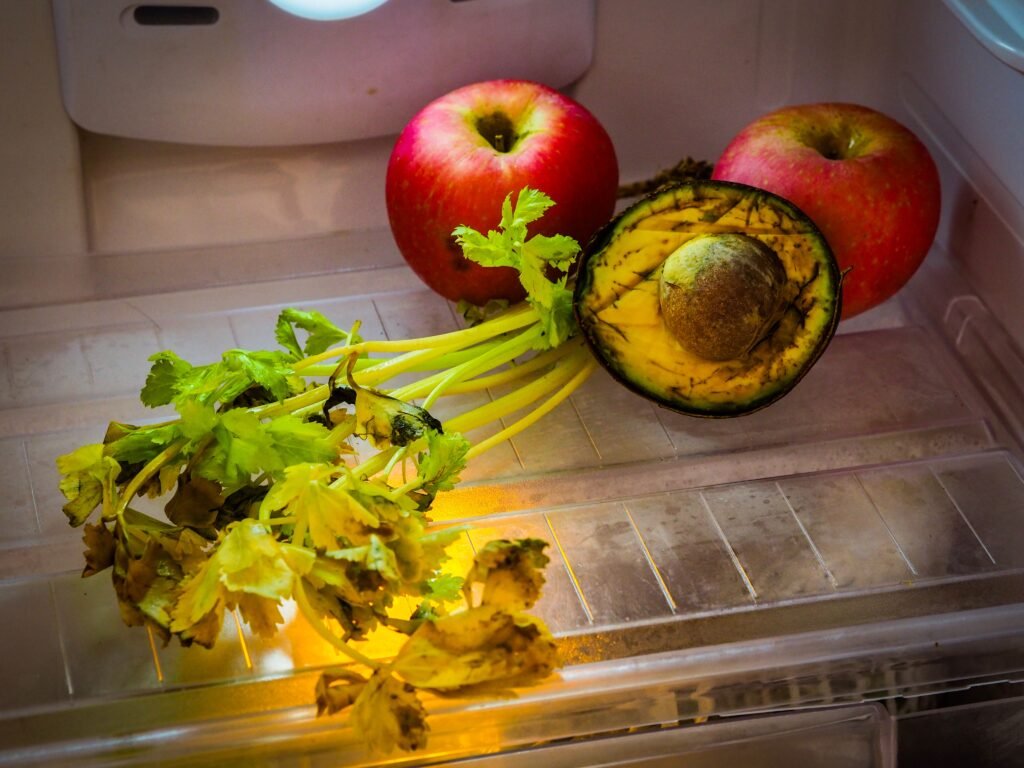
A warm refrigerator is one of the most stressful appliance issues a homeowner can face. Groceries spoil quickly, odors develop, and the fear of an expensive breakdown sets in fast. This guide explains the most common reasons a refrigerator stops cooling, what these symptoms usually mean, and why proper diagnosis matters.
Rather than teaching DIY repairs, this article helps you understand the real causes, risks, and warning signs so you can make an informed decision before the problem gets worse.
In This Guide:
Common Causes of a Refrigerator Not Cooling
A refrigerator that suddenly warms up usually points to one of a few high-probability components failing. Homeowners often notice symptoms like food spoiling faster, warm air instead of cold airflow, clicking sounds, ice buildup, or the compressor running constantly.
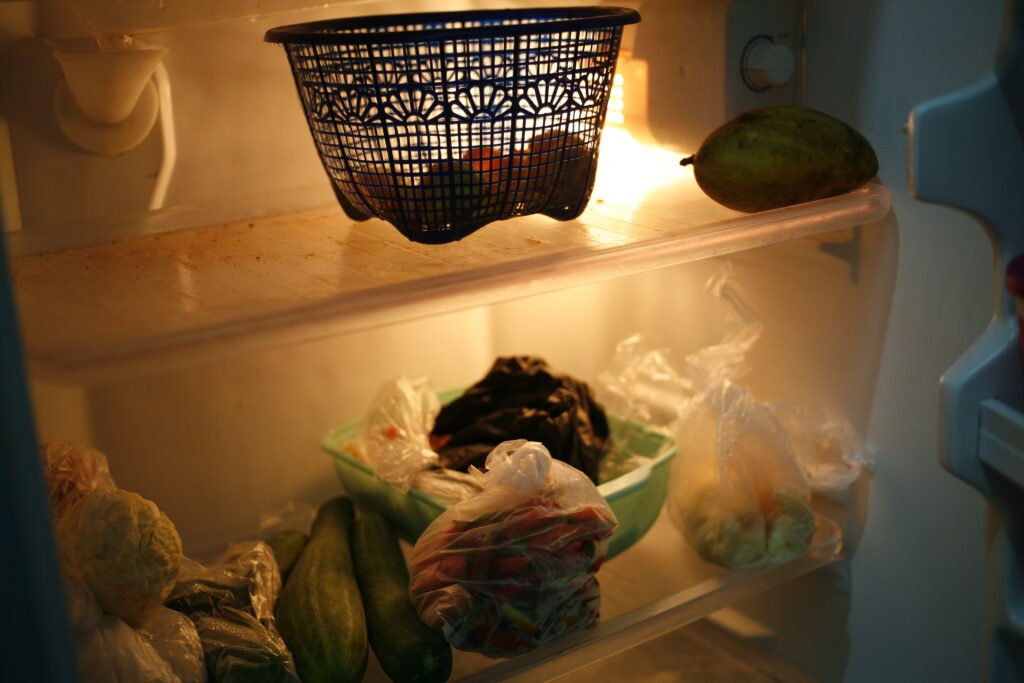
Below are the most frequent causes we find during professional service calls across Boston homes.
Cause 1: Dirty or Blocked Condenser Coils
What It Is
Condenser coils release heat from your refrigerator. When these coils get clogged with dust, pet hair, or grease, the system can’t expel heat, causing temperatures inside the fridge to rise. Homeowners often notice the sides of the fridge feeling hot or the compressor running nonstop.
The Risk of DIY
Trying to “deep clean” coils without proper tools can bend fins, damage tubing, or disrupt electrical connections. In some models, the coils and fan are part of a sensitive sealed-system cavity. Incorrect handling can lead to refrigerant leaks or system failure, which turns a simple service call into a costly repair.
This is a complex repair that requires specialized tools. Don’t risk making the problem worse.
Our certified technicians can handle it safely.
Cause 2: Failing Evaporator Fan Motor
What It Is
Inside the freezer compartment, an evaporator fan circulates cold air throughout the refrigerator. If the fan is failing, you may feel warm air in the fridge even though the freezer still seems cold. You might also hear grinding, squealing, or intermittent stop-and-start noises.
The Risk of DIY
The evaporator fan is behind interior panels that contain wiring, insulation, and sharp metal edges. DIY attempts often lead to accidental damage to the evaporator coil, which can cause refrigerant loss, water leaks, or mold problems. Diagnosing a fan motor also requires electrical testing tools that homeowners typically don’t have.
This is a complex repair that requires specialized tools. Don’t risk making the problem worse.
Our certified technicians can handle it safely.
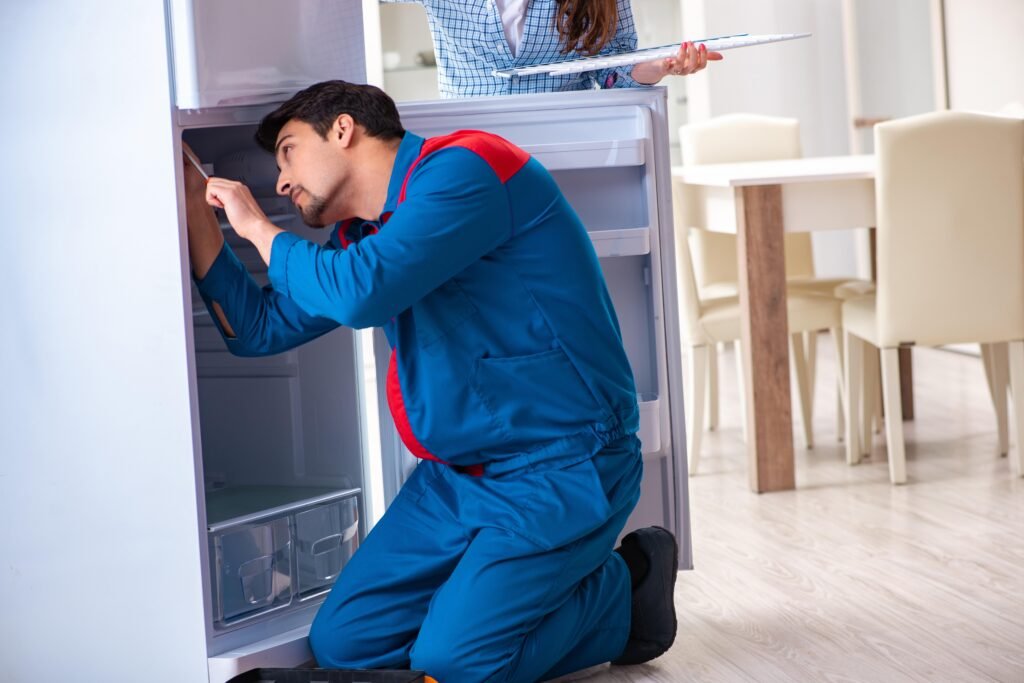
Cause 3: Frost or Ice Blocking Airflow
What It Is
Modern refrigerators rely on open air pathways between the freezer and refrigerator compartments. If frost builds up around the evaporator coils or on internal ducts, the cold air can’t reach the fridge section. Homeowners may see ice on the back wall, hear unusual fan noises, or experience inconsistent temperatures.
The Risk of DIY
Turning off the fridge to melt frost may appear to “fix” the issue, but recurring frost buildup usually means a deeper problem with the defrost heater, sensor, control board, or door gasket. DIY melting often misses the real cause and can create water leaks, warped shelves, electrical hazards, or mold growth.
This is a complex repair that requires specialized tools. Don’t risk making the problem worse.
Our certified technicians can handle it safely.
Cause 4: Faulty Temperature Sensors or Control Boards
What It Is
Refrigerators rely on multiple sensors and electronic boards to regulate cooling. When a temperature sensor fails, the appliance may “think” it’s cold enough and stop running the compressor. A failing control board can cause erratic cooling, flashing lights, unresponsive buttons, or sudden warm-ups.
The Risk of DIY
Boards and sensors require diagnostic tools, programming steps, and voltage testing to confirm failure. Guessing and replacing parts at random often leads to wasted money, misdiagnosed problems, or even damage to the sealed system. Many boards also carry static-sensitive components that can be destroyed with a touch.
This is a complex repair that requires specialized tools. Don’t risk making the problem worse.
Our certified technicians can handle it safely.
Cause 5: Low Refrigerant or Compressor Issues
What It Is
The compressor and sealed system are the heart of your refrigerator. If the refrigerant level is low, the compressor is overheating, or a sealed line is leaking, cooling can fail rapidly. Homeowners may notice clicking sounds, short cycling, warm temperatures, or oily residue near tubing.
The Risk of DIY
Sealed-system work is highly regulated and must be performed by licensed technicians with EPA-approved equipment. Attempting DIY work on refrigerant lines can cause serious injury, chemical exposure, permanent damage to the appliance, or violation of federal laws. Incorrect diagnosis here is one of the fastest ways to total a refrigerator prematurely.
This is a complex repair that requires specialized tools. Don’t risk making the problem worse.
Our certified technicians can handle it safely.
Don’t Guess—Get an Expert Diagnosis
A refrigerator that isn’t cooling is more than an inconvenience—it’s a warning sign that a key component is failing. Misdiagnosis can lead to spoiled food, water damage, electrical hazards, and expensive long-term repairs.
Professional diagnosis protects your home and prevents a small problem from turning into a full appliance replacement.
Protect your home and your appliance.
Schedule your appointment with Centrix Appliance Repair Service today at +1 (781) 702-7407. Our experts will diagnose the problem correctly and restore your refrigerator the right way.